
Tourism and events are amongst our most valuable industries.
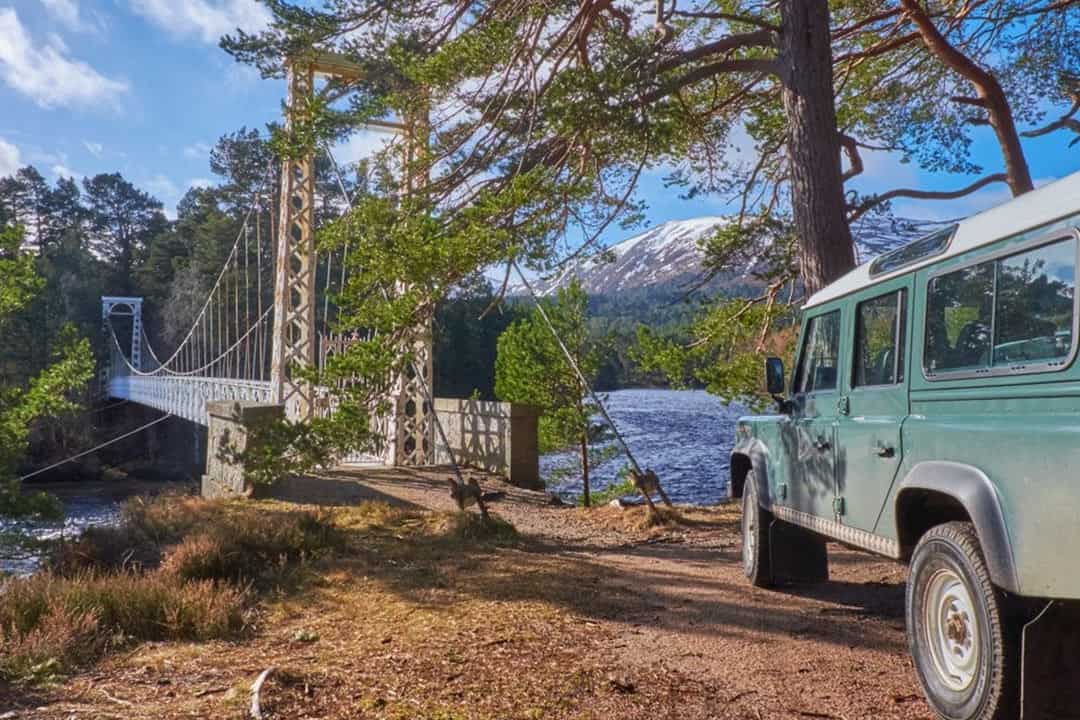
The North East 250 (NE250) spans a region of Scotland in which tourism and events are amongst its most valuable industries.
In 2024, total spend (including day visitors) across Aberdeen, Aberdeenshire and Moray Speyside totalled £733m, creating jobs and sustaining communities across the length and breadth of the region.
Whilst tourism in this part of Scotland is growing, there remains significant potential and capacity for further growth, particularly when it comes to visitors exploring further parts of the region throughout the year.
That’s why we recently unveiled a new, multi-million-pound marketing push designed to strengthen Scotland’s visitor economy by encouraging travel across all seasons and regions.
Using the latest data and insight, which shows that wellness remains one of the top reasons for travelling, VisitScotland’s marketing approach over the coming year will spotlight the country’s unique strengths including its natural beauty, authentic experiences and warm hospitality to show how a trip to Scotland feeds the mind, body, and soul.
With its breathtaking landscapes, dramatic seascapes, unique attractions and truly distinctive experiences, the north-east is well placed to capitalise on this opportunity and we refreshed our content on the NE250 on www.visitscotland.com in readiness.
But as well as inspiring and attracting visitors, we also need to make sure that as a destination, we are capable and comfortable of welcoming visitors and that all areas of the region benefit.
The Rural Tourism Infrastructure Fund (RTIF) is administered by VisitScotland on behalf of the Scottish Government. More than half a dozen locations along the NE250 route in both Moray Speyside and Aberdeenshire have benefited from RTIF-supported investment, including new overnight motorhome facilities in Cullen and motorhome parking at Ballindalloch and Craigellachie; the upgrading and reopening of toilets at Ballindalloch and Craigellachie; a new car park and footpath at Bow Fiddle Rock in Portknockie and car park enhancements at Ben Rinnes, Ballindalloch and Craigellachie. In Aberdeenshire, recent improvements have included the creation of a car park, all-abilities path and interpretation panels for the seal watching at Newburgh plus new visitor and toilet facilities at Glenshee.
VisitScotland’s marketing strategy also supports continued international growth following a record-breaking 2024. On average, an international visitor to Scotland in 2024 spent £912 per visit, compared to £339 by a domestic (UK) visitor. International visitors also tend to stay longer, thus increasing overall spend.
Dedicated activity over the coming months will build demand for off-season breaks from overseas visitors and drive interest to travel to Scotland in 2026 and beyond. This includes collaboration with airlines and travel companies to promote Scotland routes during autumn and winter, and support for new direct air links from international markets.
A particular focus will be placed on Germany, following increased visits and spending in 2024, making it Scotland’s second-largest international market after the United States. German visitors to Scotland enjoy touring and are motivated to visit by our great natural beauty and vast unspoilt landscapes – a perfect fit for the NE250.
As Scotland’s national tourism organisation, VisitScotland’s core purpose is to drive the visitor economy, growing its value in Scotland. Our new corporate plan, launched earlier this year, sets out our strategic priorities over the next three years with a particular focus on collaborative working to support the delivery of regional growth ambitions.
I look forward therefore to working with partners, industry, destination and sector organisations across the region and along the NE250 to help maximise these opportunities and to realise the region’s undoubted tourism potential.
David Jackson
VisitScotland Regional Director – Aberdeen, Aberdeenshire & Moray Speyside
